Introduction
In our swiftly changing globe, the importance of emergency treatment can not be downplayed. Whether in a corporate environment, university, or at home, understanding exactly how to respond efficiently throughout a clinical emergency can save lives. Nonetheless, with excellent obligation comes the requirement for understanding the regulations regulating emergency treatment techniques. This write-up aims to give an extensive summary of emergency treatment laws that every supplier must recognize. We will look into different aspects-- from important accreditations to the subtleties of CPR courses-- guaranteeing you leave equipped with knowledge and confidence.

Table of Contents
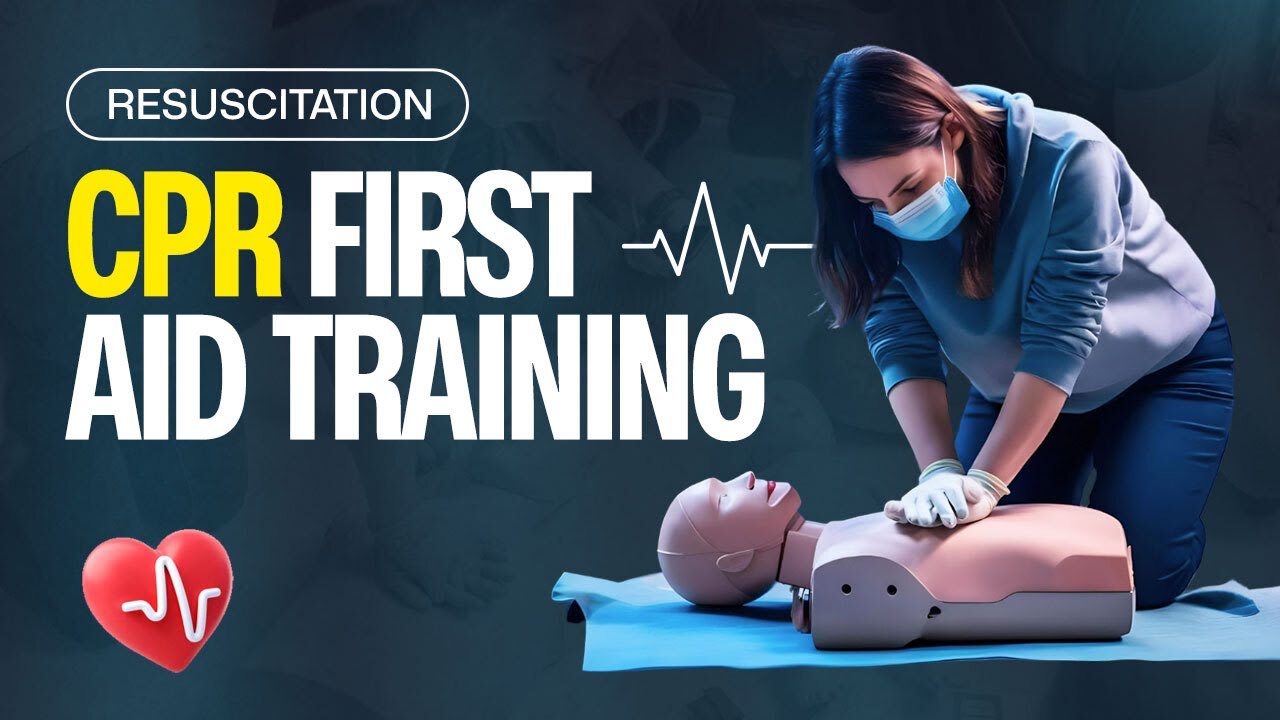
- 1.1 Significance of First Aid Training 1.2 Legal Effects of First Aid
- 2.1 Sorts of First Aid Courses 2.2 Choosing the Right Course for You
- 3.1 Understanding mouth-to-mouth resuscitation Techniques 3.2 Relevance of CPR Certification
- 4.1 Benefits of Combined Training 4.2 Just how to Locate an Integrated Course
- 5.1 Who Requirements a First Aid Certificate? 5.2 Validity and Revival of Certifications
- 6.1 National Safety and security Council (NSC) 6.2 American Red Cross Standards
- 7.1 OSHA Standards for Work Environment Safety 7.2 Company Responsibilities in Emergency Treatment Training
- 8.1 Fundamental Steps in Emergency Response 8.2 Duty of a First Responder
- 9.1 Common Misconceptions concerning Emergency treatment 9.2 Overcoming Barriers to Training
- 10.1 Virtual Learning Opportunities 10.2 Technologies in Emergency Treatment Equipment
Understanding First Aid Regulations
Importance of Emergency treatment Training
First aid training is not just a useful ability; it's an essential part of our societal textile that empowers people to act decisively throughout emergencies.
- Life-Saving Skills: Understanding standard emergency treatment techniques can dramatically raise survival prices in emergencies. Confidence Building: Individuals trained in first aid commonly feel more positive and ready when confronted with clinical situations.
Legal Ramifications of First Aid
Understanding the lawful structure bordering emergency treatment is important for anyone giving help throughout emergencies.
- Good Samaritan Laws: The majority of states have laws safeguarding those that render aid voluntarily from legal obligation, as long as their actions are sensible and intended to help. Negligence Considerations: If a skilled company acts recklessly or falls short to perform essential life-saving treatments, they can deal with legal consequences.
First Help Flows Overview
Types of First Aid Courses
There are different kinds of emergency treatment courses offered, each customized to satisfy various demands:
- Basic Life Assistance (BLS): Suitable for medical care professionals needing advanced skills. Standard First Aid: Covers necessary skills suitable for laymans and non-medical personnel. Advanced Cardiac Life Assistance (ACLS): Targets doctor dealing with critically ill patients.
Choosing the Right Program for You
When picking a program, consider your purposes and situations:
- Are you seeking certification for office compliance? Do you require skills certain to day care or senior assistance?
Researching local suppliers can aid streamline your selection based upon place and solutions offered.
CPR and Its Significance
Understanding CPR Techniques
Cardiopulmonary resuscitation (MOUTH-TO-MOUTH RESUSCITATION) is among the most essential skills discovered in any kind of emergency treatment course:
- Compression Technique: Effective upper body compressions can maintain blood flowing to important organs up until professional help arrives. Rescue Breaths: While less emphasized currently as a result of new guidelines, rescue breaths continue to be an indispensable part of typical CPR training.
Importance of mouth-to-mouth resuscitation Certification
Obtaining certification via identified organizations makes sure proficiency in executing CPR:
- Many companies call for existing qualification as part of their safety protocols. It boosts total self-confidence when dealing with potential heart emergencies.
First Aid and mouth-to-mouth resuscitation Course Integration
Benefits of Mixed Training
Taking an incorporated first aid and CPR training course supplies many advantages:
- It streamlines training by covering both areas simultaneously. Participants acquire detailed expertise appropriate throughout various scenarios.
How to Find an Integrated Course
Searching for incorporated training programs needs some critical preparation:
- Look for neighborhood recreation center or medical facilities providing such courses. Online platforms may additionally supply digital alternatives customized toward busy professionals.
First Aid Accreditation Requirements
Who Needs an Emergency treatment Certificate?
Various industries demand accreditation from personnel:
- Educational organizations usually call for instructors and instructors to hold valid certificates. Healthcare setups require continuous training amongst personnel members.
Validity and Revival of Certifications
Most accreditations have expiry days:
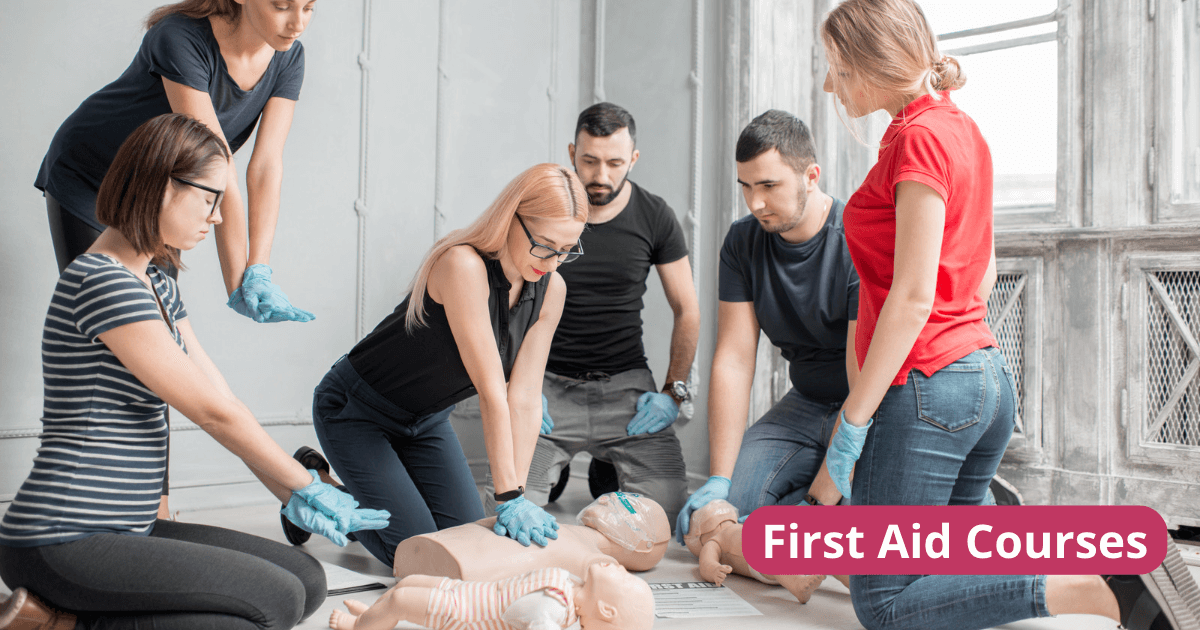
- Regularly renewing qualifications ensures that suppliers stay updated with existing practices.
Regulatory Bodies Governing First Aid
National Security Council (NSC)
The NSC plays a critical role in establishing criteria for security training throughout the USA:
- They offer sources, materials, and support for both trainers and learners alike.
American Red Cross Standards
The American Red Cross offers considerable training programs lined up with national requirements:
- Their curriculum includes hands-on technique, making certain individuals establish sensible abilities alongside theoretical knowledge.
Workplace Regulations on First Aid
OSHA Standards for Office Safety
The Occupational Safety and Health Management (OSHA) lays out expectations regarding workplace precaution:
|Requirement|Summary|| -------------|-------------|| Availability|Companies should guarantee accessibility to sufficient first-aid sources whatsoever times|| Educated Worker|Designated staff members should be trained in basic first aid|
Employer Duties in Emergency treatment Training
Employers birth considerable duties worrying staff member safety:
- Providing proper training sessions on a regular basis aids lessen workplace injuries.
Emergency Response Protocols
Basic Action in Emergency Response
An efficient emergency situation response method can substantially boost outcomes throughout dilemmas:
Assess the circumstance safely. Call emergency services if needed. Provide required treatment until expert help arrives.Role of an Initial Responder
First -responders play a vital duty within emergency situations by providing prompt assistance while awaiting advanced clinical treatment:
- Their timely action frequently makes a considerable distinction between life and death scenarios.
Challenges in Implementing First Aid Training
Common False impressions concerning First Aid
Misunderstandings surrounding emergency treatment can prevent reliable actions throughout emergency situations:
Myth vs Reality Table
|Myth|Reality|| ----------------------------------|------------------------------------------|| Only health care professionals should provide emergency treatment|Any person can find out basic techniques|| Utilizing an AED is risky|AEDs are made for public use|
Overcoming Barriers to Training
Several barriers exist that might hamper individuals from pursuing emergency treatment courses;
Key Barriers
- Time Restrictions: Active timetables make it tough for lots of people to locate time for training sessions. Financial Limitations: Price may discourage interested prospects from taking part; however, many organizations offer subsidized courses or grants specifically targeted at giving economic relief.
Future Trends in Emergency treatment Training
Virtual Learning Opportunities
With technology evolving swiftly, on-line systems have gotten popularity amongst learners looking for flexible options;
- Real-time simulations enable individuals to engage proactively without needing physical existence at traditional locations; This method enhances accessibility while fitting diverse discovering styles!
Innovations in First-Aid Equipment
Emerging technologies are changing how we approach first-aid prep work;
Examples Include
- Smart Bandages-- equipped sensors check recovery progress! Mobile Apps-- providing support based on customer input concerning signs!
FAQs Regarding Making Sense Of First-Aid Regulations
Q1: What is included in a normal first-aid course?
A typical first-aid program covers topics such as wound care, crack management, shock treatment, choking interventions, together with mouth-to-mouth resuscitation techniques customized towards numerous age groups!
Q2: Exactly how usually do I require to renew my mouth-to-mouth resuscitation certification?
The majority of companies recommend restoring your certification every 2 years; staying educated guarantees effective responses throughout emergencies!
Q3: Can I take an on-line first-aid course?
Absolutely! Many credible organizations supply online choices permitting students versatility while maintaining top quality standards through interactive content!
Q4: Exists any type of age demand for taking these courses?
Typically speaking-- no! Youngsters aged ten or older can get involved under parental supervision; nevertheless-- it's advisable that grownups accompany them throughout lessons!
Q5: How do I choose in between different carriers offering similar courses?
Check out reviews/testimonials from previous attendees along with checking accreditation status prior to making decisions; this will certainly ensure high quality education gave meets market standards!
Conclusion
In summary-- making good sense outta laws surrounding important locations like 'first-aid' & & 'CPR' is basic not just expertly but directly too! As seen throughout this post-- numerous aspects contribute in the direction of ensuring appropriate responsiveness throughout medical emergency situations consisting of understanding needed qualifications-- in addition to identifying difficulties faced whilst carrying out effective programs within community/workplace setups alike! By investing time/resources right into getting proficiency using appropriate programs-- you'll be much better located than ever before-- needs to destiny present its changability knocking at your door! Constantly remember-- the capability you have today could possibly conserve somebody else's tomorrow!